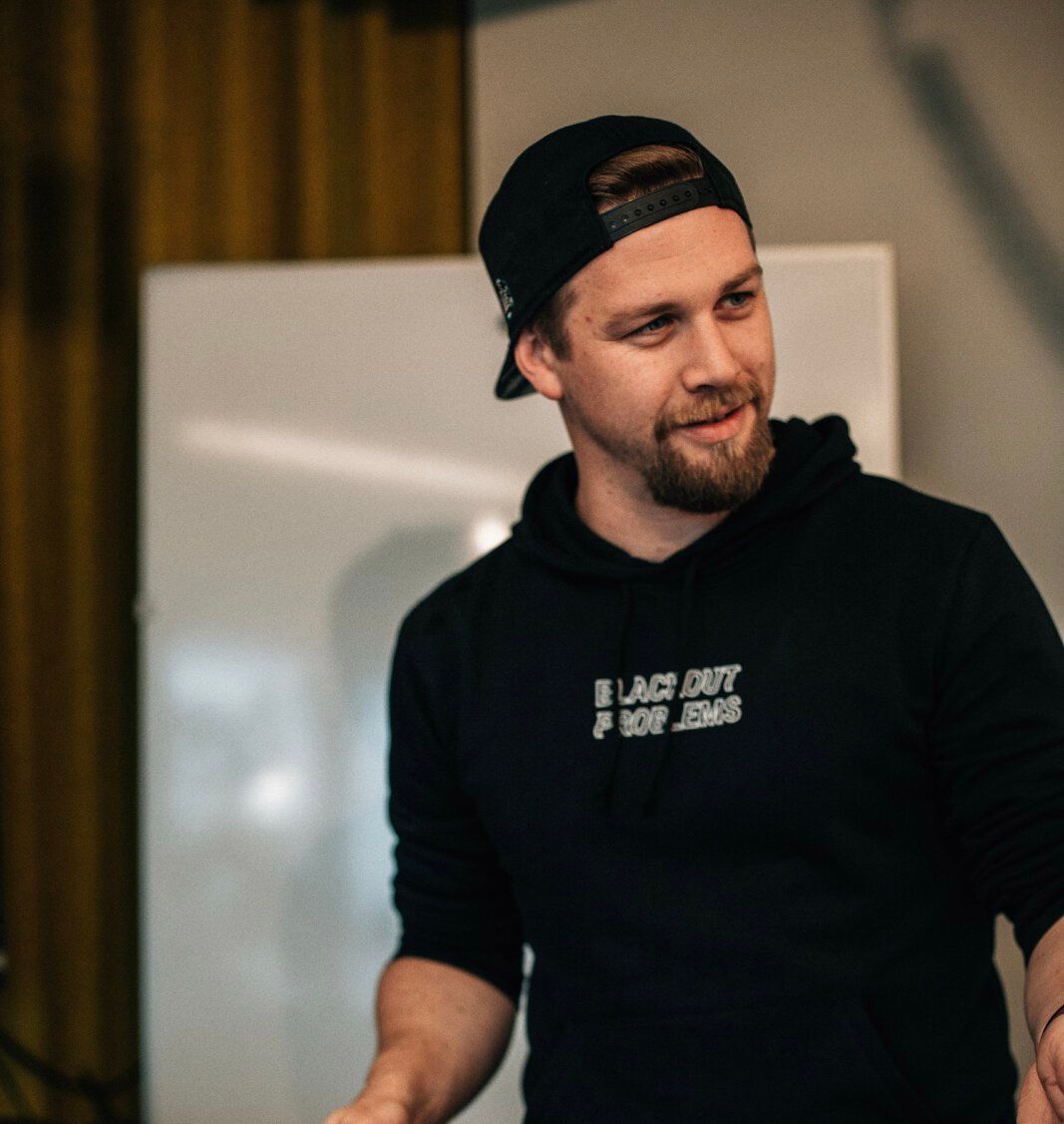
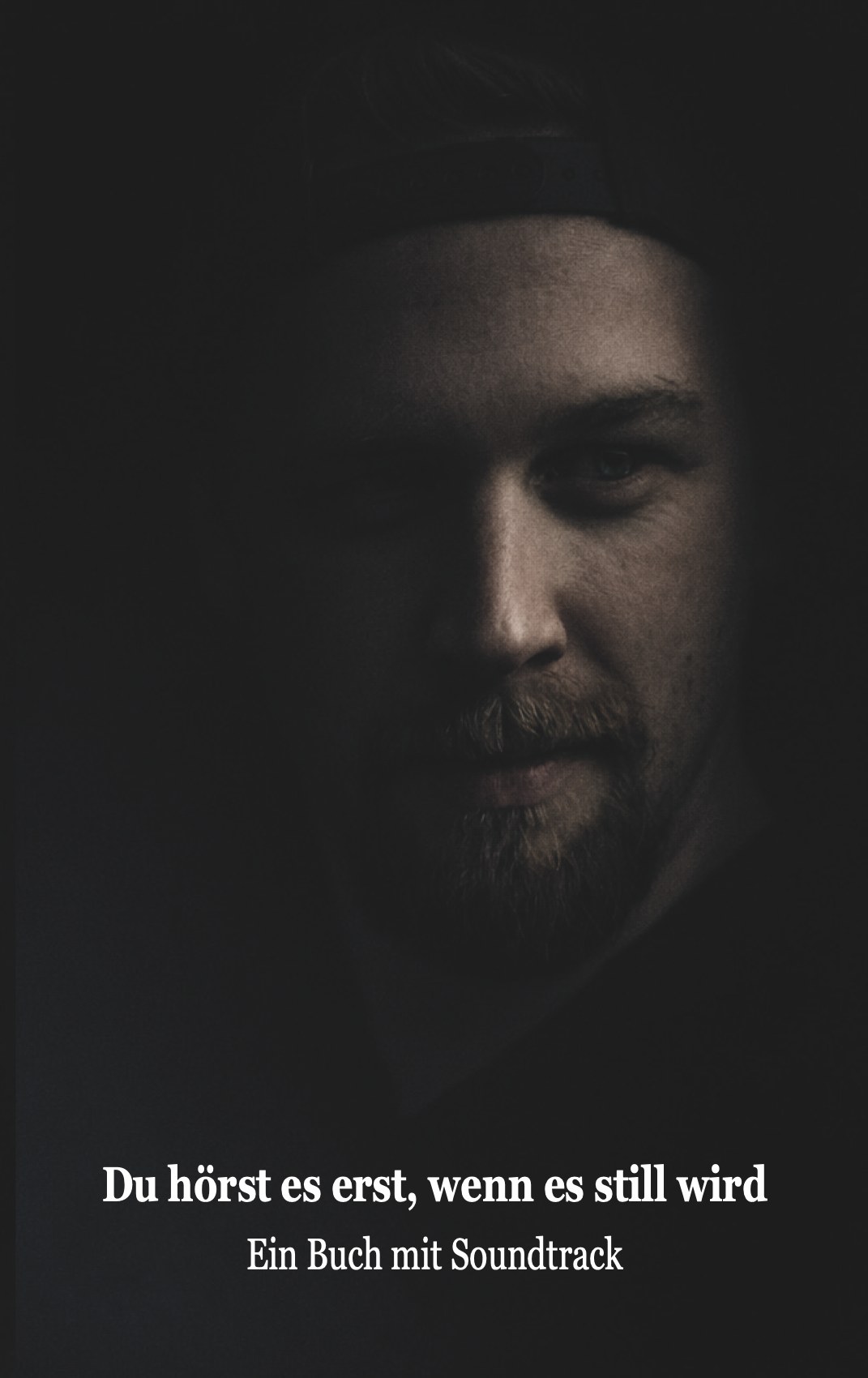
I almost didn't write this book.
For a long time I didn't know whether my story was "enough". Whether what had happened to me was big enough, relevant enough — or whether in the end it was just my own personal chaos, with no real meaning for anyone else.
Because if I'm honest: I was never the type you would have pegged as someone who'd eventually fall apart.
I had my life under control. Or so I thought. Job, (too) many side projects, responsibility, (too) many appointments. I was the one who gets things done, who organises, who pushes things forward. One of those people you call when something has to happen.
And then came the moment when, suddenly, nothing worked anymore.
From one day to the next: signed off sick. Three months.
With the instruction to, for now, "do nothing".
What sounds almost absurdly simple at first pushed me to my limits pretty quickly. Because I realised that was exactly what I couldn't do anymore. Not work, of course — but also not switch off. Not come to rest. Not simply be, without the feeling that I really should be doing something.
My head kept going as before. Only my body, at some point, decided that enough was enough.
And that is exactly where this book begins.
It is definitely not a self-help guide. It won't explain how to get your life under control, it certainly won't tell you who you are or how you ought to function. I would never presume to do that.
What it tries to do is something else:
To make visible what often stays invisible.
Thoughts, states, and that elusive feeling that something is not right, without being able to put a name to it.
But the real reason this book exists goes beyond that.
I want it to contribute to us speaking more openly about mental health. More honestly. Without that automatic "all good" just because it's the easiest answer — even though so often it isn't. Because the reality is that many people are struggling — quietly, invisibly, alone. And far too often they believe they're the only ones.
If this book can achieve anything, perhaps it's to make it a little easier to say exactly that. That you dare to say: "I'm not doing well right now" without being ashamed of it. And that you might also become more attuned to the moments when someone else is not doing well — and then be there, when you have the strength for it.
Because we all need this.
To swap roles now and then.
To carry. To be carried.
I don't believe you always have to be strong. But I do believe you shouldn't stay alone with it. And I'm convinced that asking for help is often one of the strongest steps you can take.
In my own ideal world, every person would have someone they speak with regularly about themselves. Not only when everything falls apart, but as a matter of course. A therapist, a sparring partner, a space where you can be honest without having to explain or justify yourself. Something just as normal as a conversation with a good friend — only with more structure, and a different kind of depth.
Another part of this book is something that matters to me personally, and that probably doesn't often exist in this form:
A soundtrack.
Music has always been the more direct path for me. I was a DJ for years, but when it came to what really moved me, it was never the blunt beat. It was the mood music creates — often a guitar, a lyric, a voice. At some point music became the place where things have room that can't be grasped any other way. Most people probably know the feeling. That moment when a song hits something you don't have words for yourself.
There is a song for every chapter. Not as a gimmick, but as an extension of what is hard to convey through words alone. Some things can be explained — others have to be felt. And that's where music begins.
Most of them are sparse, quiet, narrative, sometimes with more weight underneath than you would expect on first listen.
The lyrics are all mine, and some of them are very direct. The only problem: I can't sing. So I looked for a way to make these texts audible anyway.
With the help of "Suno", I produced the songs. They are AI-generated, that's true. But everything in them comes from me: the thoughts, the emotions, the stories. Perhaps that's exactly why they are more honest than I could have sung them myself.
Inside the chapters you'll find direct entry points to the songs — via links or QR codes. Beyond that, there's a playlist with further pieces that didn't get a fixed place in the book, but still belong. You can read this book, you can listen to it — or weave both together.
In the end this book is not a finished picture, and not a closed story. It is more of a space where things are said that often stay unspoken.
And maybe that is its real purpose:
Not to explain to you what's wrong with you.
But, here and there, to give you the feeling that you are not alone in it.
And if exactly that happens — even for just a brief moment — then this book has fulfilled its purpose.